

There's nothing quite like the smell of freshly baked bread coming from your kitchen. Whether you're making your first loaf or looking to expand your baking skills, making homemade bread is easier than you think.
In this guide, you'll discover the different types of bread, essential bread-making tips, common troubleshooting advice, and plenty of easy bread recipes to help you get started.
From quick breads and no-knead loaves to flatbreads and dinner rolls, this collection has something for every home baker.

Jump to:
Start here (If You Are New To Bread Baking)
Instead of reading everything, start with:
- Easy Banana Bread (no yeast, beginner-friendly)
- No-Knead Rolls (minimal effort, great results)
- Bread Machine White Bread (foolproof loaf)
- How to Use Instant Yeast (avoid common mistakes)
Why Make Homemade Bread?
Making bread at home gives you complete control over the ingredients, flavor, and texture.
It's often more affordable than buying artisan loaves, and once you learn the basics, you'll be surprised at how simple it can be.
Homemade bread allows you to:
- Avoid unnecessary preservatives and additives
- Customize flavors and ingredients
- Save money on specialty breads
- Bake fresh bread whenever you want
- Learn a useful kitchen skill
Whether you prefer soft dinner rolls, rustic no-knead bread, or quick breads that don't require yeast, there's a recipe to suit every schedule and skill level.
Different Types of Homemade Bread
Understanding the different types of bread can help you choose the best recipe for your needs.
Yeast Breads
Yeast breads use yeast as a leavening agent, giving them their classic airy texture and chewy crumb.
Popular yeast breads include:
- White sandwich bread
- Dinner rolls
- Focaccia
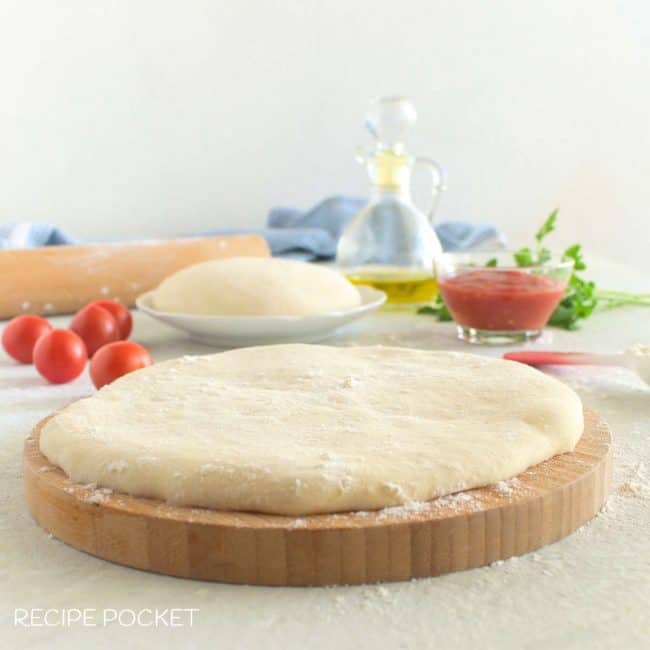
- Pizza dough
- Pita bread
If you're new to baking with yeast, start with these beginner-friendly recipes:
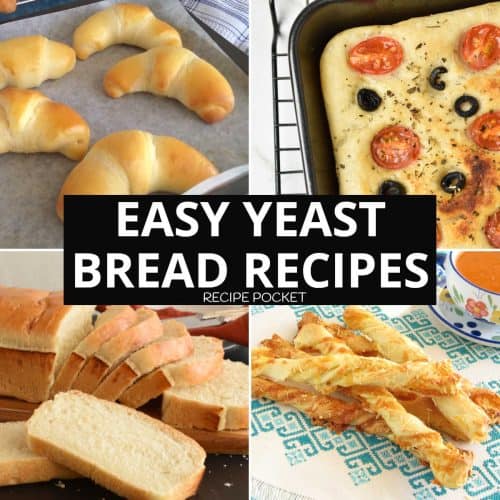
- Easy Yeast Bread Recipes
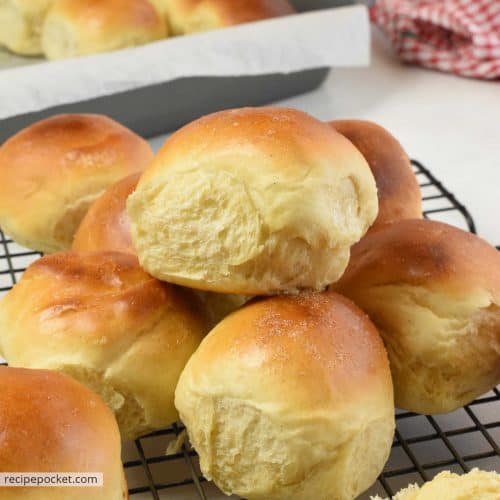
- Hawaiian Dinner Rolls3 Hours 45 Minutes
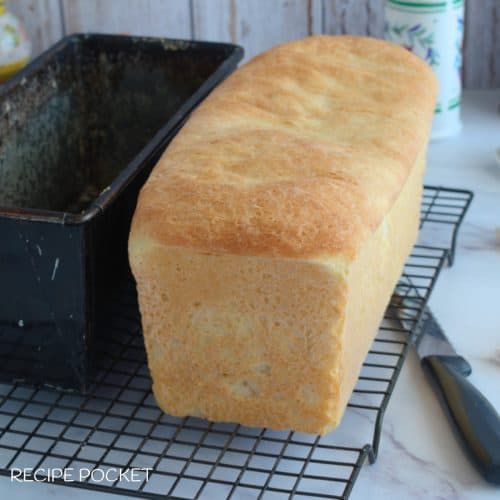
- Bread Machine White Bread Recipe3 Hours 5 Minutes
Quick Breads
Quick breads rely on baking powder or baking soda instead of yeast, making them faster and easier to prepare.
Popular quick breads include:
- Banana bread
- Beer bread
- Muffin breads
Try these easy recipes:
- Banana Bread With Self Rising Flour55 Minutes
- Easy Banana Bread55 Minutes
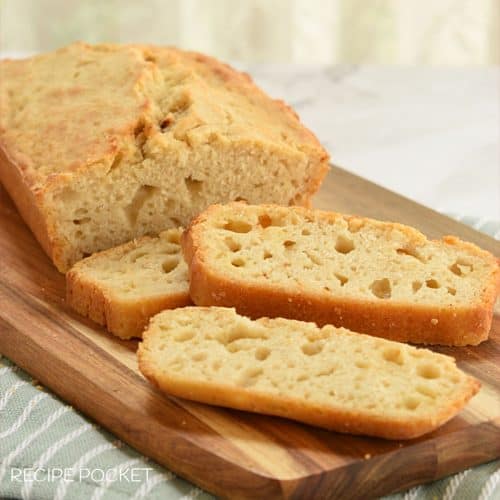
- Easy Beer Bread


Flatbreads and International Breads
Flatbreads are versatile, easy to make, and pair well with countless meals.
Popular options include:
- Naan
- Pita bread
- Flour tortillas
Try these recipes:
- Homemade Pita Bread - Bread Machine Recipe1 Hours 30 Minutes
- Soft Flour Tortilla Recipe1 Hours 25 Minutes
- How to Make Naan Bread At Home2 Hours 40 Minutes
- Spinach Feta Bread - Bread Machine Recipe3 Hours 35 Minutes


No-Knead Breads
No-knead bread recipes use longer rising times to develop gluten naturally, reducing hands-on preparation.
Great options include:
- Easy No Knead Focaccia Bread4 Hours 5 Minutes
- No Knead Rolls3 Hours 45 Minutes

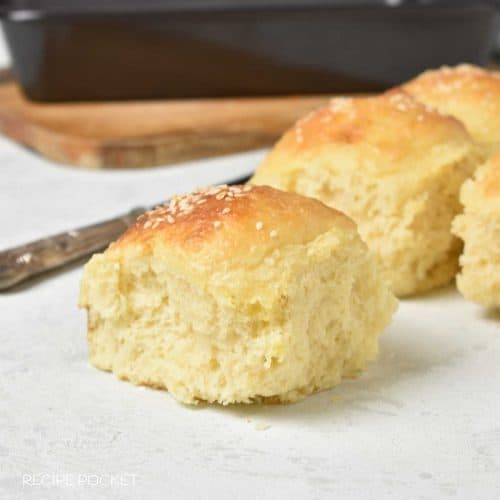
- No-Knead Focaccia
- No-Knead Rolls
Essential Bread-Making Equipment
You don't need expensive equipment to bake delicious bread at home.
A few helpful tools include:
- Mixing bowls
- Measuring cups and spoons
- Kitchen scale
- Dough scraper
- Loaf pans
- Baking sheets
- Instant-read thermometer (optional)
If you're wondering whether you need special equipment, read our guide to Baking Equipment for Beginners.
Using a stand mixer can also make kneading easier. Learn more in our tutorial on Kneading Dough in a Mixer.
Understanding Yeast
Yeast can feel intimidating at first, but it's one of the easiest ingredients to work with once you understand the basics.
Instant yeast is convenient because it can be mixed directly with dry ingredients, while active dry yeast usually needs to be dissolved in warm water first.
If you're new to yeast baking, start here:
Common Bread Problems (and How To Fix Them)
Why Is My Bread Dense and Heavy?
Dense bread is often caused by:
- Using expired yeast
- Too much flour
- Using liquid that was too hot (can kill the yeast)
- Not allowing enough rising time
Read our guide - Why Is My Bread Dense and Heavy? (Beginner troubleshooting guide)
Why Didn't My Bread Rise?
Common reasons include:
- Water that was too hot or too cold
- Old yeast
- A cool kitchen environment
- Too much salt
Why Is My Dough Sticky?
Sticky dough can be caused by:
- High hydration recipes
- Humid weather
- Incorrect flour measurements
Avoid adding too much extra flour, which can result in dry, dense bread.
Easy Homemade Bread Recipes to Try
Ready to start baking? Here are some reader favorites.
Classic Yeast Breads
Quick Breads
- Easy Banana Bread
- Banana Bread with Self-Rising Flour
- Easy Beer Bread
- Dairy Free Blueberry Muffins
- Oatmeal Banana Blueberry Muffins
- Savory Sweet Potato Muffins
- Strawberry Muffins
Flatbreads
- Homemade Pita Bread
- Homemade Naan Bread
- Soft Flour Tortillas - yeast free
Specialty Breads
- No-Knead Focaccia
- Spinach Feta Bread
- Crescent Roll Dough
- Apple Cinnamon Rolls - pull apart bread
- Turkish Pide
Homemade Bread Recipes FAQs
Quick breads like banana bread and beer bread are excellent choices because they don't require yeast.
Yes. Quick breads use baking powder or baking soda instead of yeast. You can also make flatbreads such as tortillas.
Bread flour is ideal for yeast breads because of its higher protein content, but all-purpose flour works well for many recipes.
Most homemade bread stays fresh for two to four days at room temperature when stored in an airtight container.
Yes. Most breads freeze well for up to three months when wrapped tightly and stored in a freezer-safe container. Ideally freeze them on the day of baking once they have completely cooled.
Start Baking Bread at Home
Whether you're craving a soft dinner roll, a rustic focaccia, or an easy quick bread, homemade bread is one of the most rewarding things you can make in your kitchen.
Explore the recipes above, experiment with different techniques, and don't be afraid to make mistakes. Every loaf helps you become a better baker.



Comments
No Comments